



We spoke with the University of East London to understand how they reduced duplicated event setup and moved to a single, personalised communications journey using Liquid.
Adrienn Nagy, CRM Support Officer at UEL, who is currently taking part in UEL’s graduate scheme, led the project as part of her apprenticeship project, supported by Roberto Tondina and Mayowa Ajagunna in UEL’s CRM Centre of Expertise team.
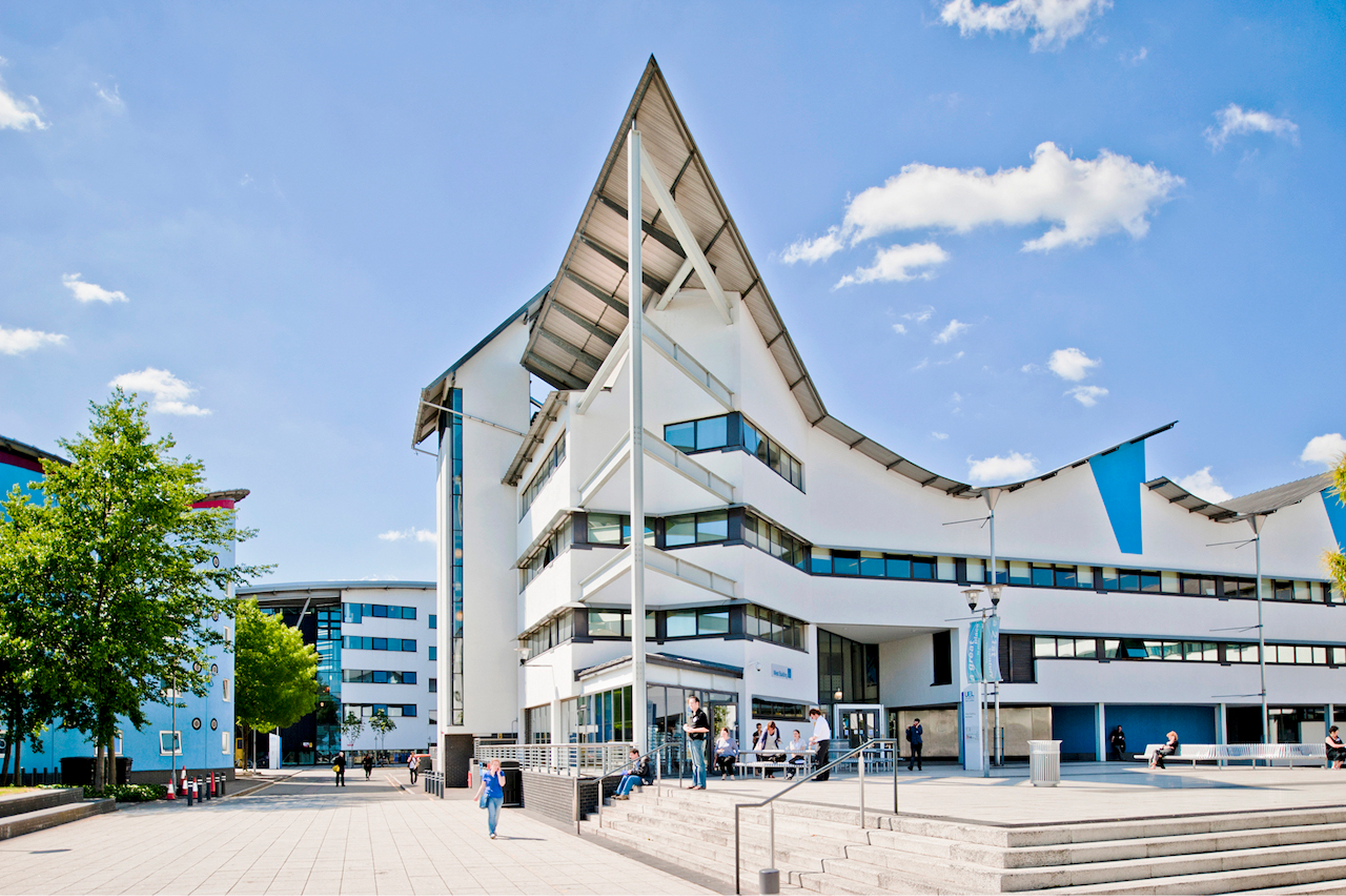
UEL has long used Gecko to support recruitment and enquiry handling, with data feeding into its CRM via a large number of forms and events. Over time, campus tours became harder to manage across UEL’s Stratford and Docklands campuses.
As Rob Tondina explained, “before this, teams had to build multiple events, emails and workflows”, even though much of the information was the same. That complexity also made it harder to personalise communications in a way that helped prospective students feel confident about where they were going and what to expect.
The idea to change this came from UEL’s CRM Centre of Expertise team. “It’s much easier to show value when teams can see it working in practice,” Rob said, which is why campus tours were chosen as the pilot. They were complex enough to properly test the approach, but visible enough to demonstrate value quickly.
Using Gecko’s Liquid functionality, the team rebuilt the campus tour journey so it could scale without adding admin overhead. A single form now captures subject and location preferences, automatically directing students to the correct campus and available sessions. Behind the scenes, the structure was simplified into two core campus events, with sessions added as needed rather than creating new events each time.
This clearer routing made the booking experience simpler for students. Instead of having to figure out which campus hosted their subject of interest, the form directed them automatically based on their selection. The streamlined process removed friction from the registration journey.
Email communications were streamlined using master templates powered by Liquid tags. Registration confirmations and reminders now adapt content automatically based on subject, campus and attendance status. Adrienn described the shift as moving from “multiple templates for events” to “a master template using Liquid tags” that delivers the right information with significantly less manual effort.
The new setup went live in January 2026 and is now being used by the team coordinating campus tours. Rob summed up the operational benefit as “a solid base to move forward with more personalised communications and far less technical work for our colleagues.”
The impact on student engagement was notable. Better-targeted communications and clearer routing to the right campus appear to be working, with UEL seeing improved attendance rates after implementation. These improvements came while reducing the administrative burden on staff.
UEL is continuing to track performance through quarterly reviews, comparing engagement and attendance over time. As Mayowa Ajagunna noted, this will help build a clearer picture of long-term impact and identify further opportunities for improvement.
The project has also created momentum beyond campus tours. UEL sees a clear opportunity to reuse the same approach across other areas that require fast, personalised responses, including international recruitment and current student communications. What began as a graduate-led pilot is now shaping how the university thinks about scalable, personalised communication across the institution.
